
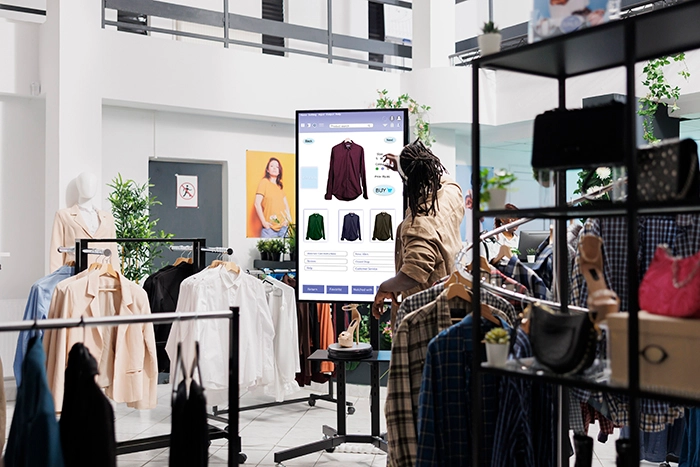
Digital outlet platforms are transforming the retail industry by bringing discounted branded products directly to consumers through online channels. Traditionally, outlet shopping required visiting physical outlet malls located outside major cities. Today, digital outlet platforms allow shoppers to access similar deals from anywhere, making value-driven purchasing faster and more convenient.
Retailers are increasingly adopting these platforms to manage surplus inventory efficiently while expanding their reach beyond physical locations.
What Are Digital Outlet Platforms
Digital outlet platforms are online marketplaces or brand-operated websites that sell discounted merchandise such as surplus inventory, previous-season collections, and outlet-exclusive products. These platforms operate similarly to physical outlet stores but provide greater accessibility and convenience.
Common characteristics include
- Discounted branded merchandise
- Seasonal clearance inventory
- Limited-time promotional offers
- Exclusive online outlet collections
- Nationwide delivery options
They serve both consumers seeking savings and brands aiming to optimize inventory management.
Why Retailers Are Moving Toward Digital Outlet Platforms
Retailers are embracing digital outlet platforms as part of a broader shift toward omnichannel retail strategies. These platforms help brands respond quickly to changing consumer expectations.
Key reasons include
Efficient Inventory Clearance
Brands can sell excess stock quickly without overcrowding physical stores.
Wider Customer Reach
Digital platforms allow retailers to serve customers beyond geographic boundaries.
Lower Operating Costs
Online outlet platforms reduce expenses related to rent, utilities, and physical staffing.
Faster Product Rotation
Retailers can refresh collections more frequently by clearing older inventory online.
Benefits for Consumers
Digital outlet platforms offer several advantages that improve the shopping experience compared to traditional outlet visits.
Major benefits include
- Access to branded products from home
- Availability of discounts throughout the year
- Ability to compare prices across platforms easily
- Convenience of mobile shopping
- Wider product selection than many physical outlets
These benefits are particularly valuable for shoppers living far from outlet malls.
How Digital Outlet Platforms Support Omnichannel Retail
Omnichannel retail integrates online and offline shopping experiences into a seamless system. Digital outlet platforms play a critical role in this transformation.
Retailers use them to
- Connect warehouse inventory directly to customers
- Offer click-and-collect services
- Synchronize pricing across channels
- Improve stock visibility
- Enhance customer engagement through personalized promotions
This integration improves operational efficiency while strengthening customer loyalty.
Impact on Traditional Outlet Stores
Digital outlet platforms are influencing the role of physical outlet stores rather than replacing them completely. Many retailers now operate both formats together.
Key changes include
Hybrid Shopping Experiences
Customers explore products online before visiting outlet locations.
Improved Inventory Distribution
Retailers allocate stock between physical outlets and digital platforms strategically.
Data-Driven Decisions
Online platforms provide insights that help optimize outlet store operations.
Physical outlets remain important for experiential shopping, while digital outlets expand accessibility.
Role of Technology in Digital Outlet Growth
Technology is central to the success of digital outlet platforms. Advanced systems help retailers manage inventory efficiently and improve customer experience.
Important technologies include
- Artificial intelligence for product recommendations
- Data analytics for demand forecasting
- Mobile commerce platforms
- Automated warehouse fulfillment systems
- Secure digital payment solutions
These technologies support faster transactions and personalized shopping journeys.
How Digital Outlet Platforms Improve Brand Sustainability
Digital outlet platforms contribute to more sustainable retail practices by reducing waste and improving product lifecycle management.
Sustainability benefits include
- Reduced unsold inventory disposal
- Better stock utilization
- Lower transportation needs compared to centralized outlet travel
- Efficient warehouse distribution systems
Retailers increasingly use digital outlets as part of responsible inventory strategies.
Challenges Facing Digital Outlet Platforms
Despite their advantages, digital outlet platforms also face several operational challenges.
Common challenges include
- Maintaining consistent product quality perception
- Managing return logistics efficiently
- Preventing price conflicts with primary retail channels
- Ensuring cybersecurity protection
- Handling fluctuating inventory availability
Retailers continue improving platform design and logistics systems to address these concerns.
Future Trends in Digital Outlet Retail
Digital outlet platforms are expected to become more advanced as technology evolves and consumer expectations continue to change.
Emerging trends include
- Personalized discount recommendations
- Integration with social commerce platforms
- Expansion of mobile-first outlet applications
- Faster delivery through regional warehouses
- Growth of brand-owned digital outlet ecosystems
These developments indicate strong long-term potential for digital outlet retail.
Frequently Asked Questions
Are digital outlet platforms operated directly by brands
Some platforms are brand-operated, while others are managed by authorized marketplace partners that collaborate with multiple retailers.
Do digital outlet platforms sell the same products as physical outlets
They may offer similar inventory, but product availability often differs depending on warehouse stock and regional distribution strategies.
Can shoppers find better discounts online than in outlet malls
In some cases, online outlet platforms provide exclusive digital promotions that are not available in physical locations.
Are return policies different on digital outlet platforms
Return policies vary by retailer and platform. Customers should always review terms before completing purchases.
How do digital outlet platforms manage limited inventory
Retailers update listings frequently and rotate stock quickly to maintain availability and reduce warehouse congestion.
Are digital outlet platforms safe for online payments
Most established platforms use secure payment gateways and encryption technologies to protect customer transactions.
Will digital outlet platforms replace physical outlet malls completely
Physical outlet malls continue to offer experiential shopping advantages, so both formats are expected to coexist within modern retail systems.
