
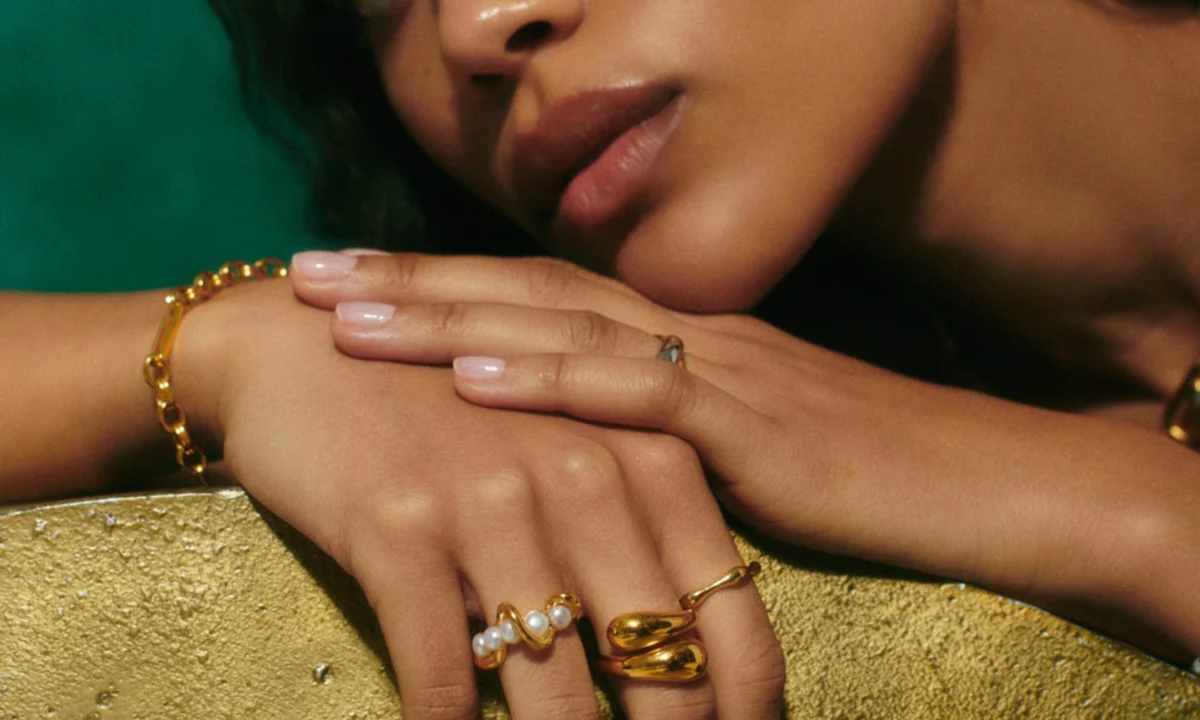
Jewelry has remained one of the most expressive forms of personal style across centuries and cultures. From simple metal bands to intricate gemstone masterpieces, it represents identity, tradition, celebration, and investment value. Today, jewelry blends craftsmanship, fashion, symbolism, and technology, making it relevant for everyday wear as well as special occasions.
This guide explores the major types of jewelry, materials used in crafting, current trends, buying considerations, and practical maintenance advice.
The Historical Significance of Jewelry
Jewelry has existed for thousands of years and has served purposes beyond decoration. Ancient civilizations used ornaments as indicators of status, spirituality, and protection.
Common historical roles included:
- Symbol of wealth and power
- Cultural identity marker
- Religious or spiritual significance
- Expression of love and commitment
- Protective talisman
Even today, pieces like engagement rings, wedding bands, heirloom necklaces, and ceremonial ornaments retain strong emotional value.
Popular Types of Jewelry
Jewelry is categorized based on how and where it is worn. Each type serves both aesthetic and symbolic purposes.
Rings
Rings are among the most meaningful jewelry pieces. They often represent relationships, achievements, or personal milestones.
Common ring styles include:
- Engagement rings
- Wedding bands
- Statement rings
- Cocktail rings
- Birthstone rings
Necklaces
Necklaces highlight the neckline and enhance overall appearance. They vary widely in length and design.
Popular necklace styles:
- Chains
- Pendants
- Chokers
- Layered necklaces
- Lockets
Earrings
Earrings frame the face and complement hairstyles and outfits.
Common earring styles:
- Stud earrings
- Hoop earrings
- Drop earrings
- Jhumkas
- Chandeliers
Bracelets and Bangles
These pieces decorate the wrist and can be worn individually or stacked.
Examples include:
- Chain bracelets
- Charm bracelets
- Cuffs
- Bangles
- Tennis bracelets
Materials Commonly Used in Jewelry Making
The value and durability of jewelry largely depend on the materials used.
Gold
Gold remains one of the most preferred jewelry metals due to its durability and timeless appeal.
Gold purity levels include:
- 24K gold is pure but soft
- 22K gold balances purity and strength
- 18K gold offers durability for daily wear
- 14K gold provides affordability and resilience
Silver
Silver jewelry is elegant and versatile. Sterling silver is commonly used because it combines strength with affordability.
Platinum
Platinum is rare, durable, and resistant to tarnish. It is widely used for premium engagement rings and luxury pieces.
Gemstones
Gemstones enhance beauty and value. Popular choices include:
- Diamond
- Ruby
- Emerald
- Sapphire
- Amethyst
- Topaz
Each gemstone carries symbolic meaning and aesthetic uniqueness.
Difference Between Fine Jewelry and Fashion Jewelry
Understanding the difference helps buyers choose wisely.
Fine jewelry typically includes:
- Precious metals like gold, silver, platinum
- Natural gemstones
- Long-term durability
- Investment value
Fashion jewelry generally includes:
- Alloy metals
- Synthetic stones
- Trend-based designs
- Affordable pricing
Both categories serve different purposes depending on lifestyle and budget.
Current Jewelry Trends
Modern jewelry design blends tradition with minimalism and personalization.
Trending styles include:
- Layered necklaces
- Stackable rings
- Personalized name pendants
- Birthstone jewelry
- Sustainable handcrafted pieces
- Minimal geometric designs
Consumers increasingly prefer lightweight jewelry suitable for everyday wear.
How to Choose the Right Jewelry
Selecting jewelry involves more than appearance. Practical factors ensure satisfaction and longevity.
Important considerations include:
Skin Tone Compatibility
Certain metals complement specific skin tones better:
- Yellow gold suits warm undertones
- Silver suits cool undertones
- Rose gold suits neutral undertones
Lifestyle Needs
Daily wear requires durable materials like platinum or 18K gold.
Occasional wear allows more delicate designs.
Occasion Suitability
Different events require different styles:
- Office wear favors subtle pieces
- Weddings allow elaborate ornaments
- Casual outings suit lightweight jewelry
Jewelry as an Investment
Jewelry can serve both emotional and financial value when chosen carefully.
Investment-friendly pieces include:
- Gold ornaments
- Certified diamond jewelry
- Antique handcrafted jewelry
- Designer signature collections
Certification and authenticity play a critical role in preserving resale value.
Tips for Maintaining Jewelry
Proper care extends the lifespan of jewelry and preserves its shine.
Maintenance tips include:
- Store pieces separately to prevent scratches
- Avoid exposure to perfumes and chemicals
- Clean jewelry with soft cloth regularly
- Use airtight boxes for silver storage
- Remove jewelry before swimming or exercising
Professional cleaning once a year keeps valuable pieces in excellent condition.
Frequently Asked Questions About Jewelry
What is the best metal for everyday jewelry wear
Gold and platinum are considered ideal for daily wear because they resist corrosion and maintain durability over time.
How can I tell if a gemstone is genuine
Authentic gemstones usually come with certification from recognized laboratories and display consistent clarity, color depth, and structure.
Is sterling silver suitable for long-term use
Yes, sterling silver is durable when properly maintained and stored away from moisture and air exposure.
What jewelry pieces should beginners start with
A simple chain necklace, stud earrings, and a classic ring form a versatile starter collection.
Does jewelry lose value over time
Fashion jewelry may lose value, but precious metal jewelry and certified gemstones often retain or increase their worth.
How often should jewelry be professionally cleaned
Fine jewelry should ideally be professionally cleaned once every year to maintain brilliance and secure gemstone settings.
Can jewelry be resized or modified later
Most rings and some bracelets can be resized, but the feasibility depends on the design and material used.
