
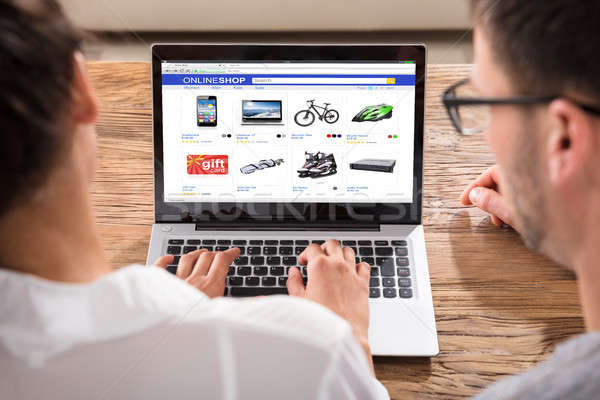
Online shopping has dramatically reshaped consumer spending habits. While physical retail still plays an important role, digital platforms consistently see higher order values, more impulse buys, and stronger repeat purchases. Understanding why people spend more online helps retailers refine strategies and meet evolving shopper expectations.
The Shift Toward Higher Online Spending
1. Convenience Drives More Frequent Purchases
Shopping online removes nearly all barriers to buying. With products just a click away, consumers are more likely to:
- Make spontaneous purchases
- Shop during downtime or late at night
- Reorder items without hesitation
This constant accessibility encourages incremental spending that doesn’t always happen in-store.
2. Personalized Recommendations Increase Cart Size
Digital platforms analyze browsing patterns, purchase history, and engagement to offer highly tailored product suggestions. These recommendations often introduce shoppers to:
- Complementary items
- Higher-value alternatives
- Trending products within their interests
This form of guided discovery significantly boosts average order value.
3. Online Shopping Encourages Impulse Buying
The psychology of digital shopping makes impulse purchases more likely. Triggering factors include:
- Flash sales and countdown timers
- Limited-stock alerts
- One-click checkout systems
With fewer friction points, buyers act faster and spend more than they would in a physical store.
4. Virtual Browsing Feels Endless Compared to In-Store Inventory
A physical store can only display so much, but an online platform offers virtually unlimited browsing. This gives shoppers more opportunities to explore categories they didn’t initially intend to visit. The depth of choice often leads to:
- Additional items added to the cart
- Higher-value upgrades
- Discovering niche products
5. Online Deals Feel More Transparent and Rewarding
Shoppers believe they get better deals online due to:
- Price comparison tools
- Visible savings on product pages
- Automatic coupon application
- Membership perks and reward points
Even when not actively looking for discounts, customers feel confident spending more when they believe they’re getting value.
6. Digital Payment Methods Make Spending Feel Less “Real”
Compared to handing over cash in-store, digital transactions feel more seamless and detached. Whether using:
- Saved credit cards
- Buy Now, Pay Later (BNPL) options
- Digital wallets
…the psychological friction decreases. This subtle shift encourages higher spending without the emotional resistance associated with traditional purchases.
7. Subscription Models and Auto-Renewals Add to Total Spending
From streaming platforms to household essentials, subscriptions accumulate silently in the background. Many consumers spend more online simply because:
- Auto-renewals continue month after month
- Bundled subscription deals feel cost-effective
- Personalized add-ons encourage upgrades
These systems are difficult to replicate in physical stores.
8. Social Media Influence Drives Extra Purchases
Social platforms seamlessly integrate shopping experiences. Influencers, targeted ads, and shoppable posts create a constant loop of discovery and inspiration. This environment pushes users toward:
- Trend-driven purchases
- Limited-edition drops
- Products endorsed by creators they trust
How Online Retailers Maximize Spending
Strategic Product Positioning
E-commerce platforms place best-sellers, trending items, and recommended products at key touchpoints.
Gamification and Rewards
Spin-to-win discounts, points systems, and dynamic deals reinforce frequent spending.
Simplified Checkout
Fewer steps and multiple payment options reduce abandonment and boost impulse buys.
Retargeting Campaigns
Email reminders, push notifications, and personalized ads pull shoppers back—often prompting additional purchases.
Why Consumers Feel More Comfortable Spending Online
People associate online shopping with:
- Control over choices and pricing
- Faster comparison across brands
- Access to reviews and social proof
- Reduced social pressure compared to in-store interactions
Together, these elements create a shopping environment that feels efficient, empowering, and worth spending more in.
FAQs
1. Do people actually save money when shopping online?
Not always. While deals are plentiful, the ease of buying and added suggestions can lead customers to spend more overall.
2. Are impulse purchases really more frequent online?
Yes. Reduced friction, instant checkout, and strategic promotions make impulse buys far more common digitally.
3. Why do shoppers trust online recommendations?
Algorithms analyze personal behavior, making suggestions feel tailored and relevant—often more accurate than in-store help.
4. Does free shipping influence higher spending?
Absolutely. Consumers often add extra items to reach free-shipping thresholds, raising the total order value.
5. Are online carts larger because of unlimited inventory?
Yes. The vast selection encourages exploration, leading to more items added to the cart.
6. How does BNPL contribute to higher online spending?
Buy Now, Pay Later systems reduce upfront cost barriers, making bigger purchases feel more manageable.
7. Do people spend more online during specific seasons?
Holiday periods, sales events, and product launch seasons typically see significant spikes in digital spending.
If you want, I can also create a PDF version, SEO meta tags, or social-ready snippets for this article.
