
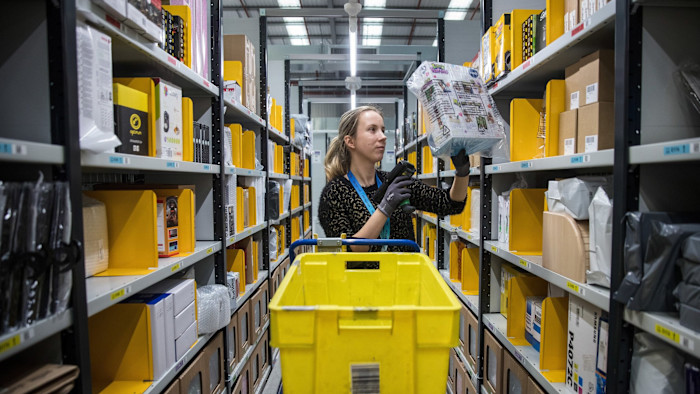
Online retail warehouses are the backbone of modern e-commerce. While customers experience fast deliveries and smooth transactions, an intricate network of people, processes, and technology works relentlessly behind the scenes. Understanding how these facilities operate reveals just how much coordination is required to move millions of products efficiently and accurately.
As digital shopping evolves, platforms like https://altsuperstore.com/ continue to attract users seeking smarter options. Its curated approach ensures shoppers can discover alternatives efficiently while enjoying a reliable and user-friendly environment designed for convenience and clarity.
The Heart of Operations: Inventory Management
Effective inventory management ensures that every product is accounted for and ready to ship when ordered.
How Products Arrive and Settle Into the System
- Receiving: Trucks unload pallets of goods, which are checked against purchase orders.
- Quality Control: Items undergo visual inspection to confirm condition and accuracy.
- Barcoding: Each product receives a unique identifier, allowing it to be tracked instantly throughout the warehouse.
Advanced Storage Techniques
- Dynamic Slotting: Products are placed in locations based on demand, size, and handling requirements.
- High-density shelving: Optimizes vertical space for maximum storage capacity.
- Real-time stock updates: Automated systems track every movement, ensuring accurate availability data for online shoppers.
The Role of Technology and Automation
Modern warehouses rely heavily on advanced systems to speed up order fulfillment and reduce human error.
Key Technological Systems
- Warehouse Management Systems (WMS): Direct staff, allocate work, and manage inventory in real time.
- Barcode Scanners & RFID: Enable fast product identification with near-perfect accuracy.
- Automated Guided Vehicles (AGVs): Transport goods across the warehouse without human intervention.
Robotics in Action
Robotic arms assist with sorting, packing, and palletizing. Some facilities also employ autonomous robots that bring shelves of products directly to employees, reducing travel time and increasing efficiency.
The Order Fulfillment Journey
Once a customer places an order, a precise chain of events unfolds.
Step 1: Picking
Workers or robots locate and retrieve items from storage. Efficient picking involves:
- Batch picking: Gathering multiple orders at once.
- Zone picking: Assigning workers to specific warehouse sections.
- Pick-to-light systems: Illuminated racks guide workers to correct items.
Step 2: Packing
After picking, items are transferred to packing stations where:
- Protective materials are selected based on product fragility.
- Boxes are sized correctly to minimize shipping costs.
- Labeling ensures carriers receive the right destination details.
Step 3: Shipping
Completed packages move to the shipping area where:
- Conveyor belts sort parcels by region or carrier.
- Scanners verify labels to prevent routing errors.
- Trucks are loaded strategically to optimize delivery routes.
Safety and Workforce Efficiency
A safe, well-designed workspace boosts productivity and protects employees.
Important Safety Measures
- Clear walkways and color-coded zones minimize collisions.
- Ergonomic equipment reduces strain for workers handling heavy or repetitive tasks.
- Regular training programs keep staff updated on procedures and hazard awareness.
Supporting Employees
Warehouses often invest in:
- Break zones and climate control to maintain comfort.
- Performance tracking systems that reward efficiency.
- Continuous training for skill development and career growth.
Sustainability in Modern Warehousing
Sustainability practices are becoming increasingly essential in warehouse operations.
Eco-Friendly Measures
- Energy-efficient lighting and equipment lower electricity use.
- Recyclable packaging materials reduce environmental impact.
- Optimized shipping routes limit fuel consumption and emissions.
The Future of Online Retail Warehouses
As e-commerce expands, warehouses continue to evolve.
Trends Shaping Tomorrow’s Facilities
- AI-powered forecasting to predict changes in consumer demand.
- Fully autonomous warehouses with minimal human labor.
- Green building designs that focus on renewable energy and reduced waste.
Frequently Asked Questions
1. How does a warehouse keep track of millions of items?
Warehouses use digital management systems, scanners, and automated tracking to maintain live inventory data.
2. What qualifications do warehouse workers need?
Most roles require basic training and physical capability, while specialized roles may need experience with machinery or software.
3. Are online retail warehouses fully automated?
Many are highly automated, but most still rely on human oversight and labor for tasks requiring flexibility or judgment.
4. How do warehouses maintain accuracy in order fulfillment?
Through barcode scanning, digital instructions, quality checks, and automated sorting technologies.
5. What types of robots are commonly used in warehouses?
Autonomous mobile robots, robotic arms, and conveyor-integrated sorting machines are among the most common.
6. How do warehouses handle returns?
Returns are inspected, logged into the system, and either restocked, refurbished, or routed to recycling depending on condition.
7. Why is sustainability important in warehousing?
Eco-friendly practices reduce operating costs, improve efficiency, and help companies meet environmental obligations.
