
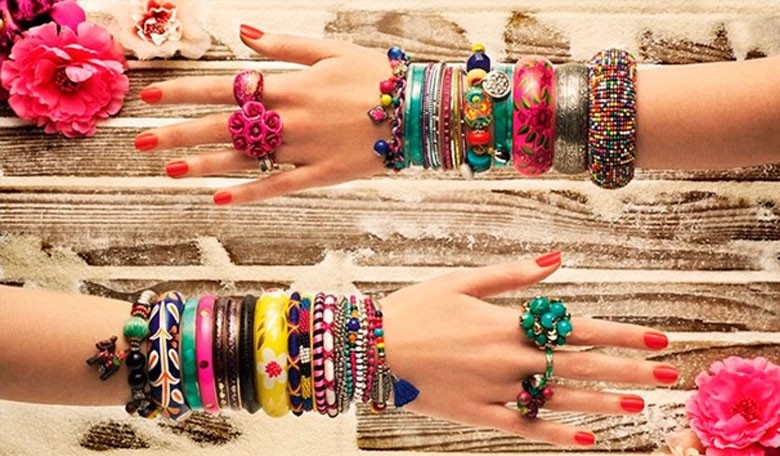
Introduction
Cultural accessories have become powerful storytellers in contemporary fashion. They no longer function only as decorative additions but serve as symbols of identity, heritage, and evolving aesthetics across borders. In today’s interconnected world, designers and consumers increasingly embrace accessories rooted in tradition while adapting them to modern styling.
From handcrafted jewelry to heritage textiles transformed into statement pieces, cultural accessories shape how global fashion communicates authenticity, diversity, and creativity. Their influence is visible on international runways, social media platforms, and everyday wardrobes.
Understanding Cultural Accessories in Modern Fashion
Cultural accessories refer to wearable items that originate from specific communities, regions, or traditions and carry symbolic meaning beyond aesthetics. These include:
- Handcrafted jewelry rooted in indigenous traditions
- Headpieces representing ceremonial or regional identity
- Textile-based accessories such as scarves and belts
- Embroidered bags and footwear reflecting heritage craftsmanship
Today, these accessories travel far beyond their original cultural boundaries. Designers reinterpret them respectfully, while wearers use them to express individuality and cultural appreciation.
Historical Roots of Cultural Accessories in Fashion Identity
Historically, accessories communicated social roles, spiritual beliefs, and regional belonging. For centuries:
- Beaded jewelry symbolized community status in many African cultures
- Bangles reflected marital traditions in South Asian societies
- Turquoise ornaments represented protection and identity in Native American communities
- Embroidered textiles preserved ancestral storytelling in Latin America
These traditions continue to influence global fashion aesthetics today. Instead of disappearing, they evolve through reinterpretation.
Globalization and the Rise of Cross Cultural Styling
Global connectivity has accelerated the exchange of cultural influences. Cultural accessories now appear across fashion capitals such as Paris, Milan, New York, and Tokyo.
Key drivers behind this transformation include:
- Digital exposure through social platforms
- Ethical fashion awareness
- Revival of artisan craftsmanship
- Consumer interest in heritage inspired styling
As a result, accessories once confined to regional contexts now participate in shaping international style language.
Role of Cultural Accessories in Personal Identity Expression
Accessories offer individuals a subtle yet powerful method of expressing identity. Many people today combine traditional and contemporary pieces to create hybrid fashion statements.
Examples include:
- Pairing handcrafted earrings with minimalist outfits
- Styling embroidered scarves with western silhouettes
- Incorporating heritage jewelry into professional wardrobes
- Using traditional belts as statement fashion elements
These combinations allow wearers to celebrate roots while embracing modern aesthetics.
Influence on Contemporary Designers and Fashion Houses
Fashion designers increasingly collaborate with artisan communities to reinterpret cultural accessories responsibly. This approach preserves craftsmanship while introducing heritage elements into mainstream fashion.
Modern collections frequently showcase:
- Handwoven textures
- Traditional beadwork
- Regional embroidery techniques
- Symbolic motifs adapted into wearable statements
Such collaborations strengthen both creative innovation and cultural preservation.
Cultural Accessories Supporting Sustainable Fashion Practices
Cultural accessories often align naturally with sustainability principles because they emphasize handmade production and local materials.
Benefits include:
- Reduced reliance on mass production
- Preservation of traditional craftsmanship
- Support for artisan communities
- Promotion of slow fashion values
Consumers today actively seek accessories that carry meaning alongside environmental responsibility.
Social Media and the Global Visibility of Cultural Fashion Elements
Digital platforms have accelerated appreciation for cultural accessories worldwide. Influencers, stylists, and designers showcase heritage inspired pieces through curated styling content.
This visibility contributes to:
- Greater recognition of regional craftsmanship
- Increased demand for handmade accessories
- Awareness about ethical sourcing
- Expansion of cross cultural styling trends
As visual storytelling grows online, cultural accessories continue shaping fashion conversations globally.
Cultural Sensitivity and Responsible Styling
While global adoption of cultural accessories promotes appreciation, it also requires awareness and respect. Responsible fashion encourages understanding origins before incorporating heritage elements.
Important considerations include:
- Learning cultural significance behind accessories
- Supporting authentic artisans instead of imitation production
- Avoiding misuse of sacred symbols
- Encouraging collaboration rather than appropriation
Respectful styling strengthens cultural exchange instead of weakening authenticity.
Future Trends Shaping Cultural Accessories in Global Fashion
Emerging trends suggest cultural accessories will remain central to fashion identity in the coming years.
Expected developments include:
- Increased artisan designer partnerships
- Growth of heritage revival collections
- Expansion of sustainable accessory markets
- Digital storytelling around craftsmanship origins
- Customization based on regional inspiration
As consumers continue valuing meaning driven fashion, cultural accessories will play a defining role in shaping future style narratives.
Conclusion
Cultural accessories bridge tradition and innovation within the global fashion landscape. They allow individuals to express identity, support craftsmanship, and participate in meaningful style evolution. As designers and consumers increasingly prioritize authenticity and sustainability, these accessories continue influencing how fashion communicates heritage in contemporary contexts.
Frequently Asked Questions
1. Why are cultural accessories becoming popular in global fashion today
They reflect authenticity, craftsmanship, and identity, which modern consumers increasingly value in contrast to mass produced fashion items.
2. How do cultural accessories contribute to sustainable fashion
Many are handmade using traditional techniques and local materials, supporting artisan communities and reducing industrial production impact.
3. Can cultural accessories be worn with modern outfits
Yes. They often enhance contemporary styling by adding depth, texture, and storytelling elements to simple silhouettes.
4. What is the difference between appreciation and appropriation in cultural fashion
Appreciation involves understanding origins and supporting communities, while appropriation involves using elements without context or respect.
5. Which regions influence global accessory trends the most today
South Asia, Africa, Latin America, and East Asia significantly influence global accessory aesthetics through textiles, beadwork, and symbolic ornamentation.
6. Are handcrafted accessories more valuable than mass produced ones
They often carry greater cultural significance and uniqueness because they represent artisan skill and heritage traditions.
7. How can consumers support authentic cultural accessory makers
They can purchase directly from artisan brands, research product origins, and choose ethically sourced handcrafted accessories over replicas.
